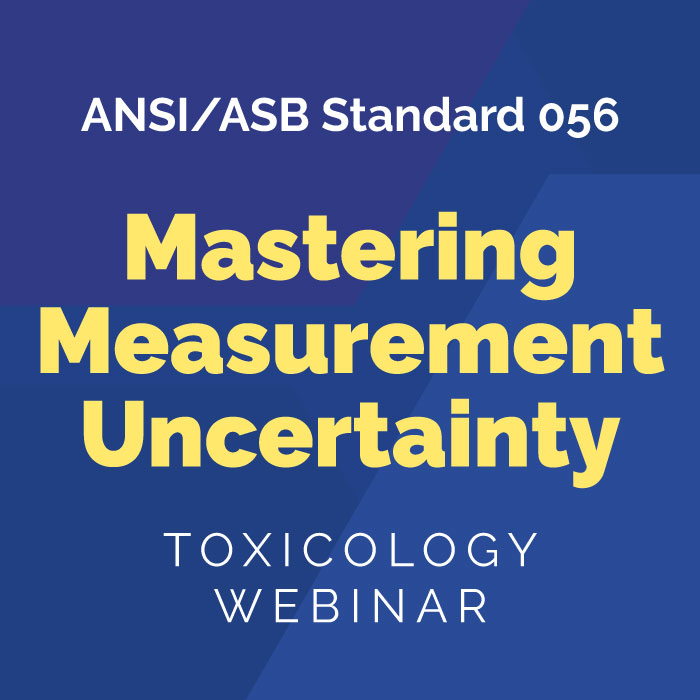
Mastering Measurement Uncertainty: From Theory to Practical Application
5/27/2025
12:00 PM - 4:00 PM
Eastern Daylight Time
With the recent publication of ANSI/ASB Standard 056, Standard for Evaluation of Measurement Uncertainty in Forensic Toxicology, laboratories are faced with several considerations regarding implementation. Like any standard, there are a variety of ways to implement based on the laboratories scope. This webinar will discuss several approaches to implementation and provide helpful tools to ease the process.
NIST Cooperative Agreement number 70NANB24H078 with American Academy of Forensic Sciences to support the work described in the proposal entitled “ Targeted Training, Tools, and Outreach to Increase the Implementation of OSAC Registry Standards in the United States: A Path Forward in Collaboration with the American Academy of Forensic Sciences”
This webinar is free to attend thanks to the cooperative agreement from NIST! Sign in or create an account, and then simply click "Register Myself," and follow the instructions to register.
Target Audience:
Knowledge Level Required:
Speakers:
|
Rebecca Wagner, PhD
Chemistry Research Section Supervisor
Virginia Department of Forensic Science
|
Tate Yeatman, MS
Crime Laboratory Director
Palm Beach County Sheriff's Office
|
|
Joseph H. Kahl, MS
Toxicology Supervisor
Miami-Dade Medical Examiner Department
|
Rebecca L. Hartman, PhD
Chief Toxicologist
Monroe County Office of the Medical Examiner
|
|
Svante Vikingsson, MS
Senior Research Forensic Scientist
RTI International
|
Kelly Maychack, PhD
Supervisor of Forensic Services
New York State Police Forensic Investigation Center
|
Abstract
Measurement uncertainty is not a new concept to many accredited forensic toxicology laboratories, but questions commonly arise regarding appropriate calculations and implementation, especially as laboratories continue to improve their practices and refine their processes. The publication ofANSI/ASB Standard 056,
Standard for Evaluation of Measurement Uncertainty in Forensic Toxicology established the minimum requirements for evaluating measurement uncertainty for quantitative measurements in forensic toxicology testing laboratories in addition to the calibration of breath alcohol measuring instruments. It is important to note that the scope of this standard does not extend to evaluating measurement uncertainty in breath alcohol subject testing. Additionally, it does not address uncertainty or performance measures for qualitative forensic toxicology testing.
In addition to being a component of metrological traceability, measurement uncertainty is required to ensure confidence, reliability, and proper interpretation of test or calibration results. Accurate measurement uncertainty assessment is integral to maintaining the integrity of forensic results, particularly as laboratories work to establish transparent and reproducible practices. Considering the breadth of the standard, laboratories are often faced with making significant decisions throughout the National Institute for Standards and Technology (NIST) 8-step process for evaluating and reporting measurement uncertainty. Depending on the forensic toxicology scope of testing and the laboratory structure different considerations may be necessary.
This webinar aims to provide a brief explanation of the standard without the grueling details as well as provide postmortem and antemortem laboratory perspectives when calculating measurement uncertainty. These perspectives will include how to meet the minimum requirements as well as some considerations going above and beyond the minimum standard. Lastly, the webinar will focus on the practical tools that laboratories can use to streamline their measurement uncertainty calculation processes. This will include the introduction of a variety of helpful tools, such as user-friendly Excel templates that simplify the often-complex task of calculating uncertainty.
Keywords:
- Alcohol
- Standards
- Toxicology
Rebecca Wagner, PhD
|
Tate Yeatman, MS
|
Joseph H. Kahl, MS
|
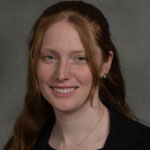
Rebecca L. Hartman, PhD
|
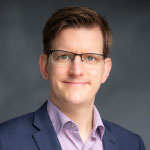
Svante Vikingsson, MS
|
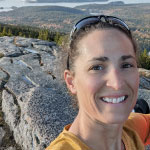
Kelly Maychack, PhD
|